
How to Build Relationships with Customers Using QBR Updates

Rethinking QBRs: Relationship-Building Beyond the Numbers
Why QBRs Often Fall Short for Customer Relationships
Quarterly Business Reviews (QBRs) have long been a staple for client engagement, but they’re often treated as routine check-ins focused primarily on performance metrics and service-level agreements. While these numbers paint a picture of what’s happening, they rarely capture the full context of the customer relationship. As a result, teams may unintentionally overlook growth opportunities, shifting priorities, and the subtle signals of customer sentiment that emerge from direct conversation.
The Shift Toward Two-Way Conversations
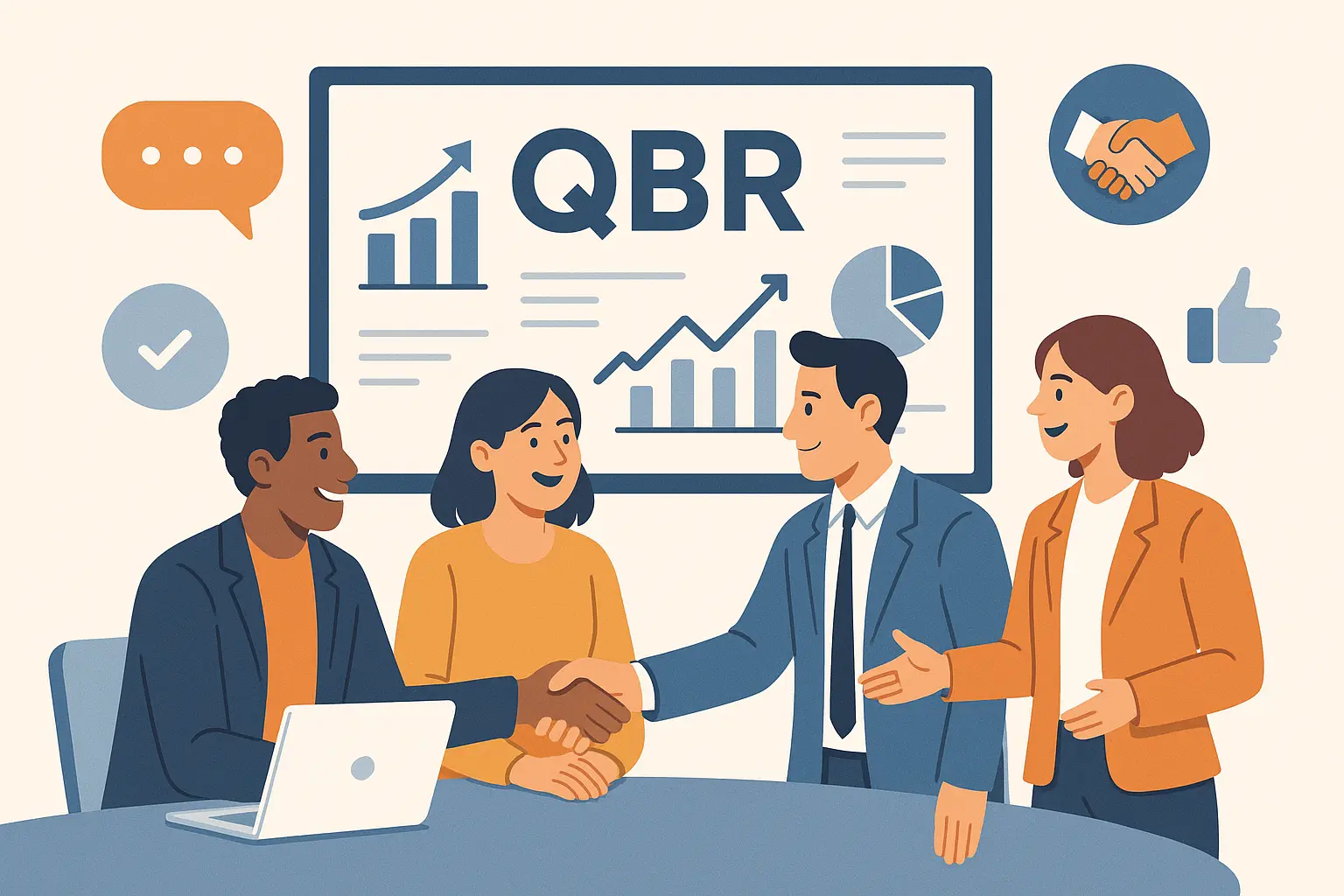
Modern QBRs demand more than a recap of numbers—they should serve as a springboard for genuine dialogue and partnership. Moving beyond a one-sided presentation to a collaborative conversation builds trust and shows customers you value their perspective. This shift creates space for brainstorming on future goals, sharing candid feedback, and aligning on mutual success. By fostering two-way engagement, QBRs become relationship accelerators rather than mere reporting meetings.
Embracing this new approach sets the stage for designing QBR experiences that are personal, purpose-driven, and truly impactful for every customer interaction. Next, we’ll explore how you can tailor your QBR updates to put relationships at the heart of every conversation.
Designing QBR Updates That Put Relationships First
Personalizing Each QBR Experience
Tailoring QBR updates to each customer’s unique needs and preferences is the foundation of relationship-first engagement. Instead of relying on generic presentations, make the effort to understand your client’s industry, business objectives, and recent milestones. Reference prior discussions, celebrate their organization’s achievements, and acknowledge any personal connections you’ve developed. This not only shows your attentiveness but also lays the groundwork for trust and long-term partnership.
Balancing Metrics with Customer Goals
While performance metrics and KPIs are essential, the true value of a QBR comes from connecting those numbers to what matters most to your customer. Go beyond standard reports by linking results to their strategic priorities, whether that’s growth, efficiency, innovation, or customer experience. During your update, explicitly relate each metric to mutually agreed-upon goals, and invite customers to share their interpretation of the results.
Highlighting Shared Wins and Learnings
Relationship-driven QBRs spotlight collaborative successes and transparent learnings. Spend time showcasing not just what your team delivered, but how the partnership led to meaningful outcomes. Recognize joint initiatives, milestones reached together, and lessons learned from both sides. This approach reinforces that you’re invested in mutual success and learning, rather than mere transactional reporting.
By thoughtfully designing your QBR updates around personalization, customer-centric metrics, and shared achievements, you set the tone for deeper, more meaningful business relationships. Next, let’s explore practical ways to foster real engagement with customers throughout the QBR process itself.
Facilitating Authentic Customer Engagement During QBRs
Co-Creating Agendas with Your Customers
Involving your customers in crafting the agenda for each Quarterly Business Review (QBR) is a powerful way to align the conversation with their true needs and interests. By inviting customers to suggest topics, ask questions, or spotlight areas they want to address, you demonstrate genuine respect for their perspective. This collaborative approach helps ensure that the meeting isn’t a one-way presentation, but a shared space for meaningful dialogue and mutual understanding.
Open Questions That Invite Feedback
Asking open-ended questions during QBRs sets the stage for authentic and valuable discussions. Instead of sticking to ‘yes’ or ‘no’ inquiries, pose questions like “What would make the next quarter a success for you?” or “Are there challenges where we can be more proactive?” Such questions encourage customers to share candid feedback, voice concerns, and highlight new opportunities, making them feel heard and valued as partners.
Spotting Early Signals of Change or Opportunity
Being attentive during QBRs goes beyond listening to what is explicitly said. Pay close attention for subtle cues—such as shifts in tone, emerging priorities, or mentions of looming challenges—which can be early indicators of change or upcoming needs. Responding swiftly and thoughtfully to these signals not only positions you as a proactive partner but also helps you uncover new ways to add value. This attentive engagement fosters trust and strengthens your relationship over time.
Creating authentic engagement in your QBRs lays the groundwork for lasting relationships. Yet, your efforts shouldn’t end when the meeting does—what follows next can be just as impactful in transforming QBR updates into ongoing momentum with your customers.
Turning QBR Updates into Ongoing Relationship Drivers
Follow-Up Strategies That Matter to Customers
Maintaining momentum after a QBR is essential for deepening customer relationships. Effective follow-up goes beyond a generic thank-you email. Instead, personalize outreach with a summary of discussion points, next steps, and how customer feedback will be incorporated. This proactive approach reinforces your commitment to mutual success and shows attentiveness to their unique priorities.
Using Action Items to Build Trust
Consistently following through on agreed-upon action items builds credibility and trust with your customers. Clearly documenting these actions during the QBR, assigning ownership, and communicating progress after the session ensures that customers feel heard and valued. When customers see tangible results from your QBR commitments, they become more likely to view your organization as a true partner rather than just a vendor.
Tracking Progress and Staying Accountable
Transparency around progress keeps the relationship on track long after the QBR is over. Regularly update customers on the status of deliverables and improvements discussed in the meeting. Consider shared dashboards or progress reports as visual reminders of your collaboration and progress. This ongoing visibility strengthens trust and keeps both parties aligned on goals and expectations.
By shifting QBR updates from mere formalities to foundations for continuous engagement, you transform each meeting into an opportunity for relationship growth. In the next section, we’ll explore practical templates and real-world scenarios that make these strategies actionable for your team.
QBR Update Templates and Real-World Examples
Sample QBR Agenda with Relationship-Focused Sections
A well-structured QBR agenda is instrumental in fostering strong relationships with your customers. Rather than centering only on statistics or outcomes, an effective agenda balances performance review with genuine discussions about customer goals, challenges, and future plans. Here’s a sample outline for a relationship-driven QBR:
Adapting your QBR agenda to focus on collaboration and mutual success makes your customer feel heard and valued, strengthening your long-term partnership.
Examples of Customer-Centric QBR Communication
How you communicate in QBR updates can make the difference between a transactional meeting and a trusted, ongoing relationship. Below are real-world examples of relationship-oriented QBR language and practices:
By using tailored, context-aware communication, you reinforce the message that your customer’s voice is shaping how you provide value—turning QBRs into genuine relationship-building touchpoints.
Ready QBR update templates and thoughtful communication approaches are just the starting point. To make a true impact, let’s explore practical strategies for turning these updates into the foundation of ongoing, trust-based customer relationships.