
Understanding ARR Movements and Their Impact

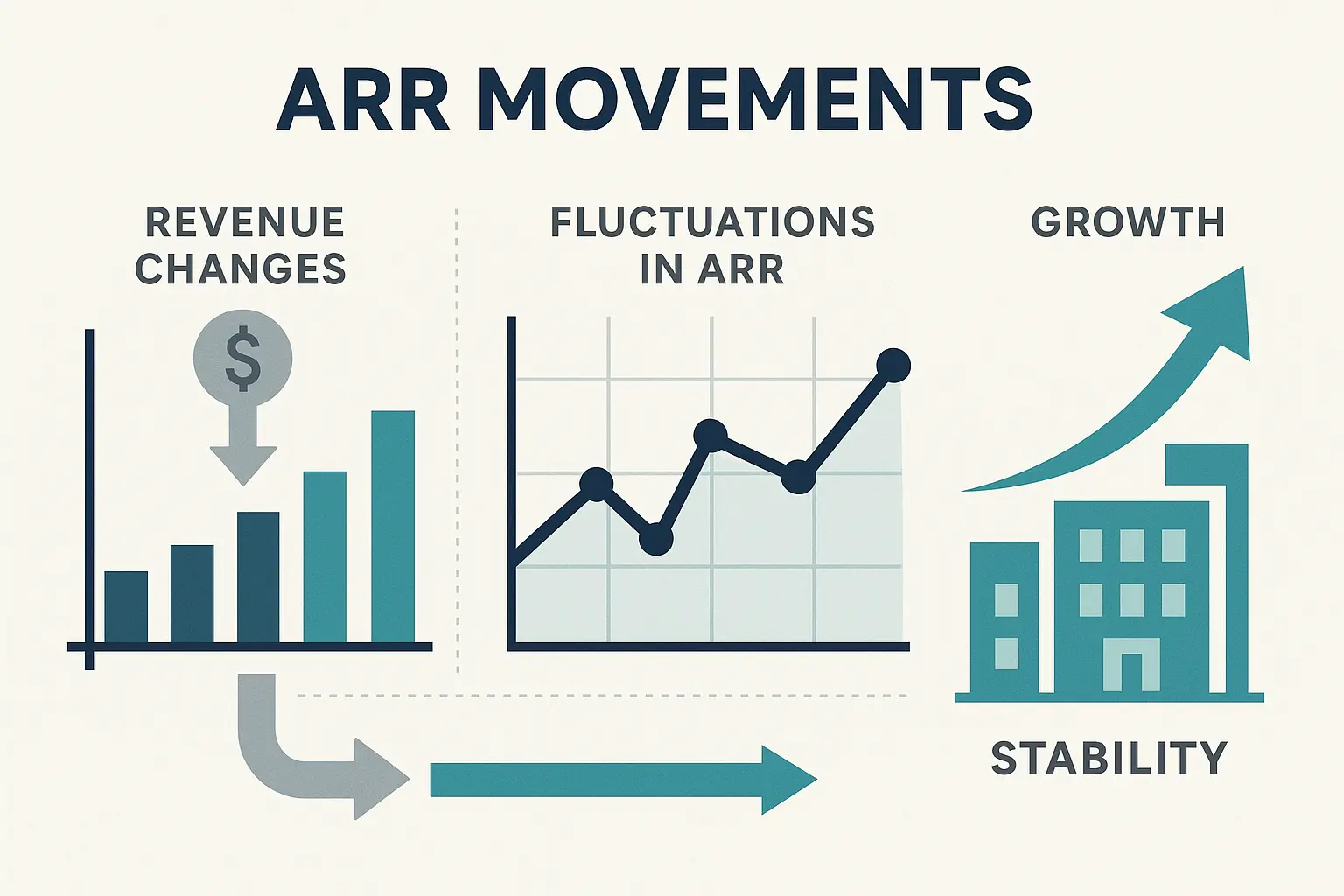
Art is a dynamic and ever-evolving form of expression that has continuously shaped and been shaped by the cultures it touches. The concept of ARR (Artistic, Radical, and Refined) Movements encapsulates this evolution, describing periods and shifts in artistic styles, techniques, and philosophies that often mirror broader societal changes. Understanding these movements provides invaluable insight into the art world and cultural history, highlighting the intersection of imagination and societal development. As we delve into the essence and impacts of ARR movements, we uncover not just aesthetic transformations but also the profound effects these movements have on contemporary culture, economy, and personal perspectives. This exploration offers a journey through time, deciphering how art both influences and is influenced by the ever-shifting tides of human experience.
What are ARR Movements?
Definition and Importance
ARR Movements refer to the dynamic shifts and trends within the world of art, representing changes in styles, techniques, and thematic expressions across different periods. These movements are crucial for understanding the evolution of artistic expression and innovation. Each movement reflects the cultural, social, and political contexts of its time, offering a lens through which we can view historical and contemporary societal changes. Understanding these movements enables us to appreciate the diversity and richness embodied in artistic endeavors.
Historical Context and Evolution
The evolution of ARR Movements can be traced back to various key periods, each marked by distinctive characteristics and philosophies. Historically, art has continually evolved due to numerous factors such as technological advancements, shifts in societal values, and the influence of prominent artists. Initially, movements were primarily confined within specific regional or cultural boundaries, but as globalization progressed, the exchange of ideas across borders enriched and diversified artistic expressions. Recognizing the historical context behind these movements underscores their impact and significance.
As we delve deeper into the world of ARR Movements, it becomes essential to explore the specific trends that defined past and present art worlds. This exploration allows us to understand the diverse influences that have shaped art and to appreciate modern, postmodern, and contemporary trends that define today’s artistic landscape. Additionally, understanding ARR Movements can provide insights into various aspects of ways to get 100 million ARR, as these artistic trends often parallel market trends in the business world.
Key ARR Movements in Art
Modernism and Its Influence
Modernism, which emerged in the late 19th and early 20th centuries, radically transformed artistic expression by challenging traditional forms and conventions. It encompassed various movements such as Impressionism, Cubism, and Surrealism, among others. Modernist artists sought to break away from historicism and emphasized innovation and experimentation. This movement had a profound impact on the trajectory of art, leading to a new appreciation of abstract and non-representational art forms.
Postmodernism Developments
Following Modernism, Postmodernism emerged in the mid-to-late 20th century as a reaction against modernist ideals. Characterized by eclecticism, irony, and a skepticism towards grand narratives, Postmodernism blurred the boundaries between high and low art. This movement opened up new dialogues by integrating diverse cultural elements and embracing multiple perspectives. Artists like Andy Warhol and Jean-Michel Basquiat exemplified the playful yet critical nature of Postmodern art.
Contemporary Trends
Today’s art world is marked by a variety of contemporary trends that reflect both technological advancements and societal shifts. Digital art, street art, and installation art have become increasingly prominent, with artists utilizing new media and techniques to communicate their messages. The rise of globalization has also enriched artistic expression, leading to a fusion of cultural influences that resonate globally. These trends continue pushing the boundaries of creativity and redefine what art can be.
As we delve deeper into how these movements influence today’s culture, it is essential to understand their broader cultural and economic impacts that resonate beyond the art world.
Impact of ARR Movements on Today’s Culture
Cultural Influence and Changes
In the dynamic tapestry of today’s global culture, ARR (Art, Reflection, and Revolution) movements play a pivotal role. These movements have a direct impact on how societies express their identities, beliefs, and experiences. Whether it’s through visual art, music, or literature, ARR movements offer a lens through which cultural narratives are constructed and understood. The societal embrace of these movements often results in the questioning of norms, inspiring individuals and communities to re-examine cultural values and traditions.
Furthermore, ARR movements have facilitated cross-cultural collaborations and exchanges, enriching the cultural fabric of societies worldwide. In urban spaces, street art and installations have transformed public areas into vibrant canvases, bringing art into everyday lives and democratizing access to creative expressions.
The fusion of global influences has birthed unique hybrid art forms, signaling a shift towards a more inclusive cultural representation. These hybrid forms often challenge traditional boundaries, creating new spaces for dialogue and innovation, ultimately fostering a more interconnected cultural landscape.
Economic Implications
The ripple effect of ARR movements extends beyond culture and deeply into the economic realm. As art becomes increasingly integrated into mainstream culture, its economic impact is more pronounced. The proliferation of art festivals, exhibitions, and auctions underscores the growing economic significance of art as an industry.
ARR movements have also stimulated the growth of tourism, as cultural tourism becomes a vital contributor to local economies. Cities known for their vibrant art scenes, like Berlin, New York, and Tokyo, draw millions of visitors eager to experience the cultural offerings, thereby fueling local economic growth. Merchandising linked to art—ranging from fashion collaborations to digital art sales—continues to expand, showcasing the lucrative potentials of ARR-infused creations.
Additionally, the rise of digital platforms and online marketplaces has democratized art sales, allowing artists to reach global audiences without the constraints of traditional gallery systems. This shift not only empowers artists economically but also diversifies the types of art that gain visibility and value in the market.
As we delve further into understanding these movements, the next step is to learn how to identify and appreciate the unique characteristics that define each ARR movement. This understanding enriches our appreciation and broadens our perspective of art in all its forms.
How to Identify and Appreciate Different ARR Movements
Visual Characteristics
Identifying ARR movements often begins with examining the visual characteristics that set them apart. Each movement features distinct elements, such as color palettes, brush strokes, composition techniques, and themes. For instance, Modernism is known for its avant-garde use of abstraction and a rejection of traditional perspectives, while Postmodernism embraces paradox and playfulness with a mix of past styles. Paying attention to these details can offer insights into the artistic intentions and the context of the period in which the art was created.
Beyond the surface level, understanding the underlying principles and philosophy that guide each movement can deepen your appreciation. Many movements arose as a response to prevailing social, political, or technological changes, and recognizing these motivations can enrich your understanding of the artwork’s significance.
Famous Artists and Their Contributions
Recognizing key artists associated with specific ARR movements is another pathway to appreciation. Artists often embody the philosophies and aesthetics of their movements, and their works serve as quintessential examples. Figures like Pablo Picasso and Wassily Kandinsky played pivotal roles in the development of Modernism, while Andy Warhol and Jean-Michel Basquiat were prominent in shaping Postmodernism.
Exploring an artist’s body of work can reveal how their style evolved over time and how they contributed to their movement’s legacy. This journey often involves tracing their influences and contemplating their unique perspectives on societal issues, which are frequently reflected in their art.
As we dive deeper into these topics, it becomes essential to discuss how these movements have permeated our current cultural landscape, influencing everything from fashion to media. Understanding these connections enriches our comprehension of the dynamic interplay between art and society, setting the stage for an exploration of their cultural and economic impact.
Future of ARR Movements
Projected Trends and Developments
The future of ARR movements is poised for dynamic changes as global societies continue to evolve. We expect an increased integration of technology in art, with digital platforms leading the way in redefining traditional artistic expressions. Artists are likely to capitalize on virtual reality (VR) and augmented reality (AR) to craft immersive experiences, engaging audiences in ways that were previously unimaginable.
Moreover, sustainability is set to become a primary focus, as more artists strive to create works that are both environmentally friendly and socially conscious. This shift can influence the materials used, the themes explored, and the art production processes embraced by the industry.
Potential New Movements
The burgeoning exploration of artificial intelligence (AI) in creative processes suggests the potential rise of new movements centered around the symbiosis of humans and machines. Such collaborations could push the boundaries of creativity, enabling artists to explore novel forms and ideas with the assistance of AI’s analytical prowess.
Additionally, we may witness the emergence of art movements inspired by diverse and previously underrepresented cultural narratives. As the world becomes more interconnected, the cross-pollination of ideas and the amplification of marginalized voices in the art industry could foster a rich tapestry of new styles and movements.
As we look forward at these exciting possibilities, it is essential to ground our understanding of future growth in appreciating the immense wealth of past and present contributions. Up next, we will explore how identifying and appreciating different ARR movements can enrich our understanding of their impact and significance.